
You’re Not Lazy—You’re Misaligned
The Case for Value-Based Career Planning Click here for Job Search Information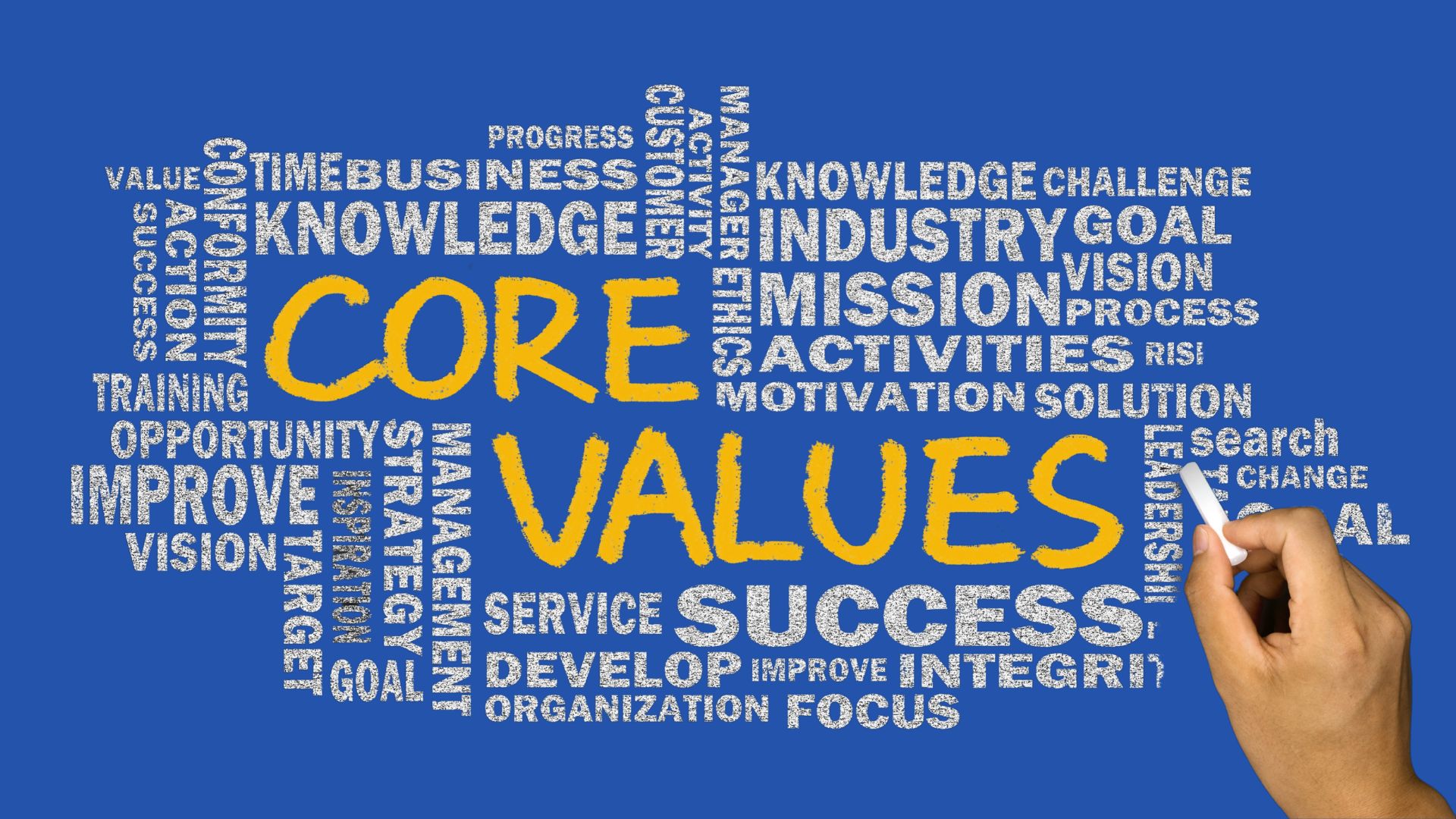
If you’ve ever found yourself sitting in front of your laptop, staring at a growing to-do list and feeling completely unmotivated, you may have asked yourself: What’s wrong with me? The answer might surprise you.
It’s not laziness.
It’s misalignment.
When your daily work doesn’t align with your values, your energy and motivation drop. Your creativity dulls. You feel like you’re forcing every move. And over time, it leads to disengagement, frustration, and burnout.
But there’s good news: You can realign. And when you do, everything changes.
This blog post will help you understand why misalignment happens, how to spot it, and—most importantly—how to fix it using value-based career planning.
What Is Value-Based Career Planning?
Value-based career planning is about anchoring your career goals and decisions in what matters most to you—not what the industry values, not what your boss values, and not what your LinkedIn feed glorifies.
When your work reflects your values, you:
- Feel more fulfilled
- Make faster, more confident decisions
- Experience greater resilience and motivation
When it doesn’t, everything feels harder—no matter how successful you look on paper.
Step 1: Identify Your Core Values
Start by listing 15–20 values that resonate with you. Examples might include:
- Growth
- Impact
- Creativity
- Security
- Recognition
- Autonomy
- Purpose
Then narrow it down to your top 5. These should be the values that:
- Guide how you want to live and lead
- Influence your decision-making
- Make you feel alive when honored—and frustrated when ignored
You can use free online tools, coaching exercises, or value cards to clarify your top 5.
Step 2: Audit Your Current Role Against Your Values
Once your values are clear, ask:
- Where in my current role are these values being honored?
- Where are they being violated or ignored?
For example:
- If you value autonomy but have micromanaging leadership, you’ll feel stifled.
- If you value purpose but don’t see meaning in your work, you’ll feel disengaged.
- If you value growth but have hit a plateau, you’ll feel restless.
Create a simple values alignment scorecard, rating each of your top values on a scale of 1–10 for how well your current role supports them.
Step 3: Redesign From the Inside Out
Sometimes, a full career pivot isn’t necessary. You might be able to shift your current role into better alignment by:
- Asking for new types of projects
- Delegating or phasing out tasks that drain you
- Realigning your goals with your manager
- Advocating for flexibility or increased visibility
But if the gap is too wide, it may be time to explore roles, industries, or companies where your values are part of the culture—not an afterthought.
Step 4: Make Future Career Decisions Through the Lens of Your Values
When you’re evaluating a new opportunity, go beyond salary and title. Ask:
- Will this environment support my top values?
- Does leadership model behaviors I respect?
- Will I be able to do work that matters to me?
Too many professionals chase external definitions of success, only to feel empty when they reach the finish line. When you choose roles that match your values, you not only perform better—you feel better.
Step 5: Build Your Personal Brand Around Your Values
Your values aren’t just internal guides—they’re powerful brand assets. Use them to:
- Shape your LinkedIn profile and resume language
- Guide your content creation or thought leadership
- Connect with like-minded professionals
For example, if equity is a core value, share stories about inclusive leadership. If innovation drives you, speak about change-making projects you’ve led. Let people know what you stand for.
Final Thoughts:
You’re not lazy. You’re intelligent enough to notice that your energy has gone missing—and self-aware enough to explore why.
When you realign your career with your values, you get your motivation back. You start making decisions that feel right, not just strategic. You stop chasing and start creating.
Value-based career planning is how you move from friction to flow. And it starts with a single question:
What truly matters most to me—and how can I make it non-negotiable in my work?
Answer that—and you’ll stop questioning your drive and start reigniting your direction.